
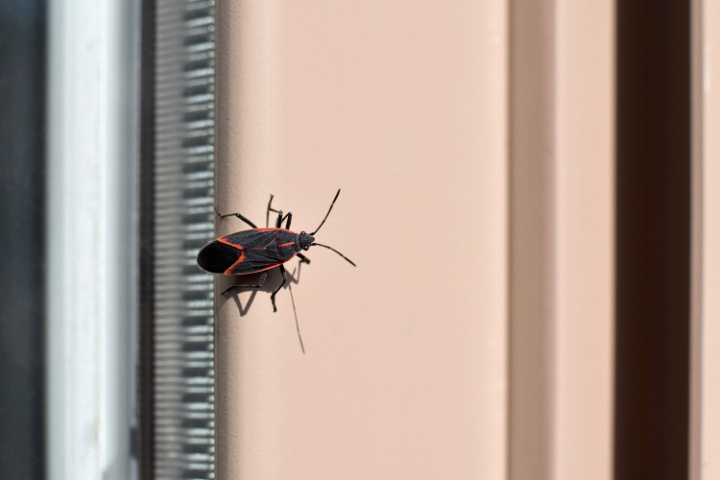
After months of Wisconsin winter—the cold, the snow, the grey—spring in Menomonee Falls is a welcome relief. But as the temperatures climb and the snow melts, you are not the only one waking up. The pest populations that survived winter—underground, inside your walls, or in protected harborage—are activating on a predictable schedule. Knowing what comes first helps you get ahead of the spring surge with early pest control rather than reacting to it after the problems are already established.
March: The First Signs
Spring pest activity in Menomonee Falls begins before it feels like spring. While snow may still be on the ground and overnight temperatures are in the 20s and 30s, the lengthening daylight hours and the first daytime highs above 40°F trigger early pest movement.
- Overwintering insects emerge indoors: Cluster flies, Asian lady beetles, boxelder bugs, and stink bugs that entered wall voids in September and October begin waking up as indoor wall temperatures rise with increasing sun exposure. They appear on windows, walls, and light fixtures—sometimes in significant numbers on warm, sunny afternoons. This is not a new infestation. It is the consequence of a fall invasion that was not prevented.
- Spiders become more active: Spiders that overwintered in basements, garages, and lower levels of the home increase their activity as the insects they feed on begin moving. Homeowners often notice more spider sightings in March and April than they did during the dead of winter.
- Rodent activity shifts: Mice and rats that spent the winter nesting in wall voids, attics, and garages begin exploring more of the home’s interior as temperatures moderate. If you have had a winter rodent problem, March often brings increased sightings and evidence as the animals become more active.
April: The Expansion Begins
Once daytime temperatures consistently reach the 50s, the outdoor pest environment activates rapidly.
- Ant colonies resume foraging: This is the month when most Menomonee Falls homeowners see the first ant trails of the year. Pavement ants push soil mounds through cracks in driveways and walkways. Odorous house ants begin sending foragers into kitchens and bathrooms. The colonies that survived winter underground are hungry, expanding, and actively seeking food and water.
- Carpenter ant swarmers appear: One of the most significant pest events of the Wisconsin spring is the emergence of carpenter ant swarmers—the large, winged reproductives that indicate an established, mature colony. Finding winged carpenter ants inside your home in April or May is not a minor issue. It means a colony has been present long enough to reach reproductive age, and it may be nesting inside structural wood. This warrants professional inspection immediately.
- Termite swarms: Subterranean termites produce winged reproductives that swarm on warm spring days, typically in April and May. Finding small, winged insects near windows or in the basement during this period could indicate termite activity. Because termite swarmers and carpenter ant swarmers can be confused, professional identification is important—the treatment strategies for each are completely different.
- Wasp queens begin nesting: Paper wasp and yellow jacket queens that overwintered in wall voids and sheltered spaces emerge in April and begin building new nests. The small, early-stage nests that appear under eaves, behind shutters, and in soffits in April and May are easiest to address now—before the colony grows to full size by summer.
May: Full Activation
By May, the pest year is in full swing:
- Ant colonies are fully expanded and foraging aggressively
- Spider populations are growing as their insect prey becomes abundant
- Wasp colonies are establishing and expanding
- Mosquito season begins as standing water from snowmelt and spring rain supports breeding
- Flea and tick activity increases as outdoor temperatures support their lifecycle
- Bed bug activity may increase as travel season picks up
Why Early Spring Treatment Matters
The homeowners who experience the smoothest pest year are the ones who start treatment in March or early April—before populations build and before the spring surge hits full intensity. Early spring treatment accomplishes several things simultaneously:
It establishes the exterior barrier before ant colonies expand their foraging territory into your home. It addresses the overwintering insects that are emerging indoors. It catches early wasp nests while they are small and manageable. It sets the stage for the entire warm season by starting with lower baseline pest populations.
Waiting until May or June to start treatment means reacting to established problems rather than preventing them. By then, ant colonies have been foraging for weeks, wasp nests have grown, and spider populations have built up. Playing catch-up in summer is more difficult and more expensive than getting ahead of things in early spring.
Nexus Pest Solutions’ 58-Point Pest Analysis is designed to identify exactly what is happening on your property at the start of the season—what pests are active, what overwintered successfully, and what conditions are present that will attract new activity. That diagnostic foundation makes every subsequent treatment more targeted and more effective.
If you want to get ahead of the spring pest surge in Menomonee Falls rather than chasing it, contact Nexus Pest Solutions for a free consultation and start the season with a plan.
