Podcast: Play in new window | Download
The Complete Spring Pest Guide for
Wisconsin Homeowners
What Pests Appear in Spring and How to Prevent Them
As winter fades and temperatures begin rising across Wisconsin, pest activity starts increasing
both outdoors and inside homes.
Many homeowners are surprised when ants appear in kitchens, spiders start showing up in
basements, or rodents suddenly become more active in walls and attics. While it may seem
unexpected, these pest problems are a normal part of the seasonal transition from winter to
spring.
Spring is one of the most important times of year for pest control because many insects and
rodents become active again after winter dormancy. Understanding which pests appear in
spring, why they enter homes, and how to prevent infestations can help homeowners avoid
larger pest problems later in the year.
This guide explains the most common spring pests in Wisconsin and the steps homeowners can
take to keep their homes protected.
Why Pest Activity Increases in Spring
Spring marks the beginning of the pest season in Wisconsin. Several environmental factors
contribute to the increase in pest activity during this time of year.
Rising Temperatures
As temperatures climb above freezing, insects that have remained dormant during winter begin
waking up and searching for food.
Many pests rely on warmth to become active. When daytime temperatures begin reaching the
mid-40s and 50s, insects like ants and beetles start moving again.
Melting Snow and Increased Moisture
Melting snow creates damp environments around foundations, landscaping, and soil. Moisture
attracts many insects that require humid conditions to survive.
This moisture can also drive pests toward dry indoor environments.
Food Availability
During winter, food sources outdoors are scarce. As spring begins, insects and rodents start
actively searching for nutrition again.
Homes provide easy access to food through crumbs, trash, pet food, and pantry items.
Shelter From Changing Weather
Early spring weather can be unpredictable in Wisconsin. Cold nights and warm days encourage
pests to move between outdoor and indoor environments seeking stable shelter.
For many pests, homes offer the perfect place to survive.
The Most Common Spring Pests in
Wisconsin
While dozens of pests become active during warmer months, several species are particularly
common during early spring.
Understanding these pests can help homeowners recognize warning signs before infestations
grow.
Ants
Ants are usually the first insects homeowners notice in spring.
When temperatures warm, worker ants leave the colony to search for food. These ants often
enter homes through tiny cracks around doors, windows, or foundations.
Once a scout ant finds food inside a home, it leaves a chemical trail that guides other ants to the
same location.
This is why homeowners often see long lines of ants appearing suddenly in kitchens or
pantries.
Common ant species in Wisconsin include:
● Odorous house ants
● Pavement ants
● Carpenter ants
Carpenter ants are particularly concerning because they can damage wood structures while
building their nests.
Spiders
Spiders are present year-round, but many homeowners begin seeing more spiders in spring.
The reason is simple: spiders follow their food source.
As insect activity increases during spring, spiders begin hunting more actively and become
more visible inside homes.
Common areas where spiders appear include:
● Basements
● Garages
● Window frames
● Corners of ceilings
● Storage areas
Most spiders found in Wisconsin homes are harmless, but their presence often indicates other
insects are present.
Rodents
Mice and rats remain active throughout the winter, but homeowners often notice them more in
spring.
During cold months, rodents frequently nest inside walls, attics, or basements. As temperatures
rise, they begin searching for new food sources and may become more visible.
Signs of rodent activity include:
● Scratching noises in walls or ceilings
● Droppings in cabinets or pantries
● Chewed food packaging
● Gnaw marks on wood or wiring
Rodents can reproduce rapidly, so early detection is extremely important.
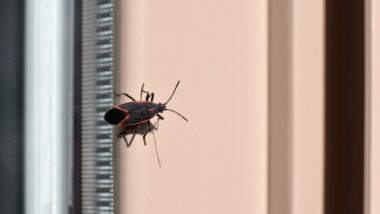
Boxelder Bugs
Boxelder bugs are a common nuisance insect throughout Wisconsin.
During fall, these insects gather on sunny exterior walls before entering homes to overwinter.
They typically hide in wall voids and protected areas.
When temperatures warm in spring, boxelder bugs begin emerging and often gather near
windows or light sources inside homes.
Although they do not bite or damage structures, large numbers can become very annoying.
Stink Bugs
Like boxelder bugs, stink bugs enter homes during fall seeking shelter from cold weather.
In spring, they emerge from hiding places and move toward windows or ceilings as they attempt
to return outdoors.
Stink bugs release a strong odor when disturbed, which is why many homeowners find them
unpleasant.
Cluster Flies
Cluster flies are another common spring pest in Wisconsin.
These flies spend winter inside attics and wall voids. When temperatures warm, they become
active and begin gathering near windows as they attempt to exit the home.
Cluster flies move slowly and are often seen resting on walls or ceilings.
While they do not breed indoors, their presence can be frustrating when large numbers appear.
Why Pests Enter Homes in Spring
Homes provide several things pests need to survive early spring conditions.
Warmth
Indoor temperatures remain stable even when outdoor temperatures fluctuate. This makes
homes an attractive refuge for insects and rodents.
Food
Accessible food sources such as crumbs, garbage, and pantry items attract pests quickly.
Water
Leaks, condensation, and damp areas provide moisture many pests need to survive.
Shelter
Walls, basements, and attics provide protected environments where pests can nest safely.
Because of these factors, homes often become ideal environments for pest survival.
Early Warning Signs of Spring Pest
Activity
Many pest infestations begin weeks before homeowners notice obvious problems.
Recognizing early warning signs can help prevent small issues from becoming large
infestations.
Common signs include:
• Ant trails in kitchens or bathrooms
• Spider webs appearing in corners
• Rodent droppings in hidden areas
• Scratching sounds inside walls
• Insects gathering near windows
If these signs appear repeatedly, pest activity may already be established.
Spring Pest Prevention Tips for
Homeowners
Preventing pests begins with making your home less attractive to insects and rodents.
Here are several simple steps that can significantly reduce pest problems.
Seal Entry Points
Pests often enter homes through small gaps around:
● Doors
● Windows
● Foundations
● Utility lines
Inspect these areas and seal openings using caulk or weather stripping.
Keep Kitchens Clean
Food is one of the biggest pest attractants.
Homeowners should:
● Wipe down countertops regularly
● Store food in sealed containers
● Avoid leaving pet food out overnight
● Clean crumbs and spills quickly
Reduce Moisture
Many pests thrive in damp environments.
Fix leaks around:
● Pipes
● Faucets
● Basements
● Crawlspaces
Using a dehumidifier can also help reduce moisture levels.
Maintain the Exterior of Your Home
Outdoor maintenance is an important part of pest prevention.
Trim vegetation away from the house and remove debris such as:
● Leaf piles
● Wood stacks
● Standing water
These environments often serve as pest hiding places.
Clean Gutters
Clogged gutters trap moisture and organic material that attract insects.
Cleaning gutters helps reduce pest activity near the roofline.
Store Firewood Properly
Firewood stacked against a home can attract ants, spiders, and rodents.
Store firewood at least 20 feet away from the house whenever possible.
When to Schedule Spring Pest Control
Many homeowners wait until they see pests before seeking help.
However, the most effective pest control treatments occur before infestations become
established.
Early spring treatments help create a protective barrier that prevents pests from entering homes.
Professional pest control services can also identify hidden issues such as:
● Nesting rodents
● Hidden ant colonies
● Structural entry points
Addressing these issues early can prevent larger infestations later in the season.
Benefits of Preventative Pest Control
Preventative pest control offers several advantages.
Stops Infestations Early
Treatments target pests before populations grow larger.
Protects Your Home
Certain pests, such as carpenter ants and rodents, can cause structural damage.
Reduces Stress
Knowing your home is protected provides peace of mind.
Frequently Asked Questions About Spring
Pests
What pests are most common in Wisconsin during spring?
The most common spring pests include ants, spiders, rodents, boxelder bugs, stink bugs, and
cluster flies.
Why do pests suddenly appear in March or April?
Many insects remain dormant during winter and become active when temperatures rise. Early
spring weather triggers their search for food.
Is spring the best time for pest control?
Yes. Preventative pest control treatments in early spring help stop infestations before they grow
larger.
How do pests enter homes?
Pests enter through small openings around windows, doors, foundations, and utility lines.
Are spring pests dangerous?
Most spring pests are nuisance insects, but some can cause damage or carry bacteria.
Rodents and carpenter ants can pose the greatest risks to homes.
Protect Your Home This Spring With
Nexus Pest Solutions
Spring pest activity is a normal part of the seasonal cycle in Wisconsin, but infestations don’t
have to be.
By understanding which pests become active during spring and taking preventative steps early,
homeowners can reduce pest problems significantly.
At Nexus Pest Solutions, our team helps homeowners throughout Southeastern Wisconsin
stay protected from pests year-round.
Our knowledgeable, professional technicians provide pest control services designed to identify
problems early and deliver long-lasting solutions.
Whether you’re dealing with ants, spiders, rodents, or seasonal pests, we’re here to help restore
comfort and peace of mind to your home.
�
�
11512 N Port Washington Rd, STE 206
Mequon, WI 53092
�
�
(414) 355-3732