
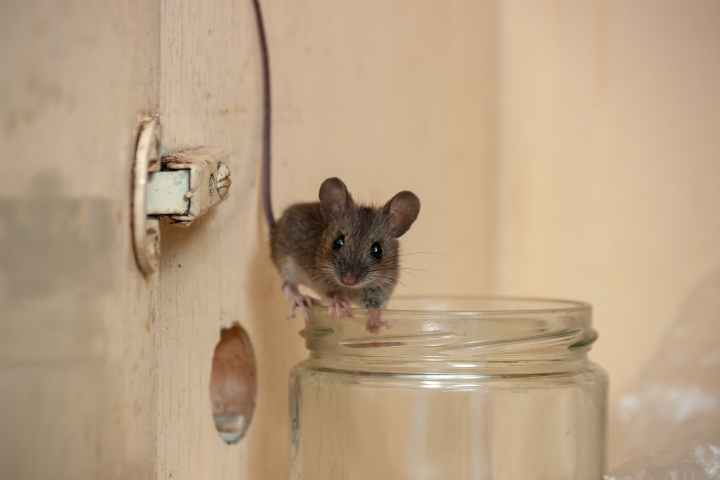
Mice can enter your Germantown home through small gaps beneath doors, around utility lines, and where exterior building materials meet. An opening about a quarter inch wide can be enough, so a house that looks secure from the driveway may still have an accessible route. At Nexus Pest Solutions, our rodent control services help you address mice inside and the openings that allow them to enter. Identifying the route at your home helps us recommend appropriate control and repairs instead of leaving you to guess which gap caused the problem.
Fall is a useful time to examine those areas before Wisconsin’s freezing weather and snow make exterior work harder. Cooling temperatures can encourage mice to explore protected spaces, but an opening can remain usable in any season. Focus on the condition of your home’s exterior and the doors you use each day, rather than treating every visible crack as a confirmed mouse entrance.
Start Where Doors Meet the Ground
Check the bottom corners of your garage door while it is closed. Weather stripping may fit across the center but leave a gap at either end, especially where the seal is worn or the floor is uneven. Look from inside during daylight when possible. Light beneath the door identifies an area to examine more closely, although a mouse may use openings you cannot easily see from that position.
Side doors and basement entrances need the same attention. A sweep that is torn, loose, or too short can leave space beneath a door even when the latch closes properly. Check the surrounding frame as well as the bottom edge. If a component needs replacement, choose a repair that fits the doorway and allows it to operate correctly.
Daily habits can also leave an entrance available. A garage door kept open while you unload groceries gives a mouse a direct way inside. Close it when you finish, and keep the door between an attached garage and the house closed. If you find droppings in the garage, let us know even if you have seen no mice in the kitchen. The garage may be the first accessible shelter.
Follow Pipes and Cables Through the Exterior
Plumbing, electrical lines, and other utilities often pass through openings in the wall or foundation. Check the space around the line, where the protective seal or surrounding material may have deteriorated. A recently installed cable or pipe is another reason to look carefully: the opening around it may need finishing after the installation.
On the inside, a gap beneath a sink can allow a mouse to move from a wall cavity into a cabinet. That interior opening helps explain where you found the animal, while the outdoor entrance could be elsewhere. Tell us about both locations so we can consider how the spaces connect. Filling the cabinet gap alone could leave mice elsewhere inside the building.
Utility penetrations require materials suited to the equipment and the wall. Avoid packing a mystery opening with whatever is available. Electrical components, hot surfaces, and appliance connections may require a qualified contractor’s attention. We can discuss suspected rodent access, and the appropriate professional can address repairs involving those systems.
Check Vulnerable Edges, Screens, and Transitions
Where siding ends near the foundation, gaps can be difficult to see from a standing position. Examine accessible edges from ground level, including corners and places where additions join the original structure. Mice can climb, so an exterior review should also account for higher openings that require professional access. Keep roof and ladder work for someone equipped to perform it safely.
Basement window frames and damaged vent screens can provide additional opportunities. A screen that looks intact from several feet away may be loose along one edge. Pay attention to the frame and its attachment, rather than only the center of the screen. Necessary vents and drainage openings must retain their intended function when protection or repairs are added.
For a manageable fall check, concentrate on a few accessible locations:
- Garage door corners and the seals beneath exterior doors.
- Gaps surrounding pipes, wires, and cables where they enter the building.
- Loose or damaged screens and frames around basement windows.
- Open joints where siding, foundation materials, or building additions meet.
Photograph questionable areas before arranging repairs. A picture can help you explain the location to us or a contractor, and it provides a record of what needs attention. Keep your inspection on stable ground and avoid reaching into holes or moving contaminated materials.
Separate a Possible Entrance From a Confirmed Route
An opening shows that access may be possible. Nearby gnaw marks, droppings, or repeated sightings can strengthen the connection, but each finding needs context. A dark mark could have another cause, and old droppings can remain after a previous problem. We consider the animal’s signs and the building together before recommending how to proceed.
You can help by noting the first place you saw a mouse and any rooms where signs later appeared. If the problem began after construction or a damaged door seal, mention that timing too. These details give us specific areas to investigate without assuming that the newest gap is necessarily the only entrance.
If mice are already inside, coordinate exclusion with their removal so repairs do not trap animals in walls or other enclosed spaces. We provide rodent removal and sealing of access points. We can discuss the sequence for your property and explain which repairs need to preserve ventilation, drainage, or utility access.
Make the Area Near an Entrance Less Inviting
Keep stored birdseed and pet food in sturdy containers with secure lids, particularly in the garage. Organize boxes so you can see the floor and lower walls, and move loose outdoor storage away from doorways where practical. These changes help you notice damage and reduce available food or concealed shelter near places mice might enter.
If you have found a questionable gap or signs of mice this fall, contact Nexus Pest Solutions about your Germantown home. We can help determine whether rodents are present, investigate how they may be entering, and recommend control and exclusion that address the routes connected to your problem.